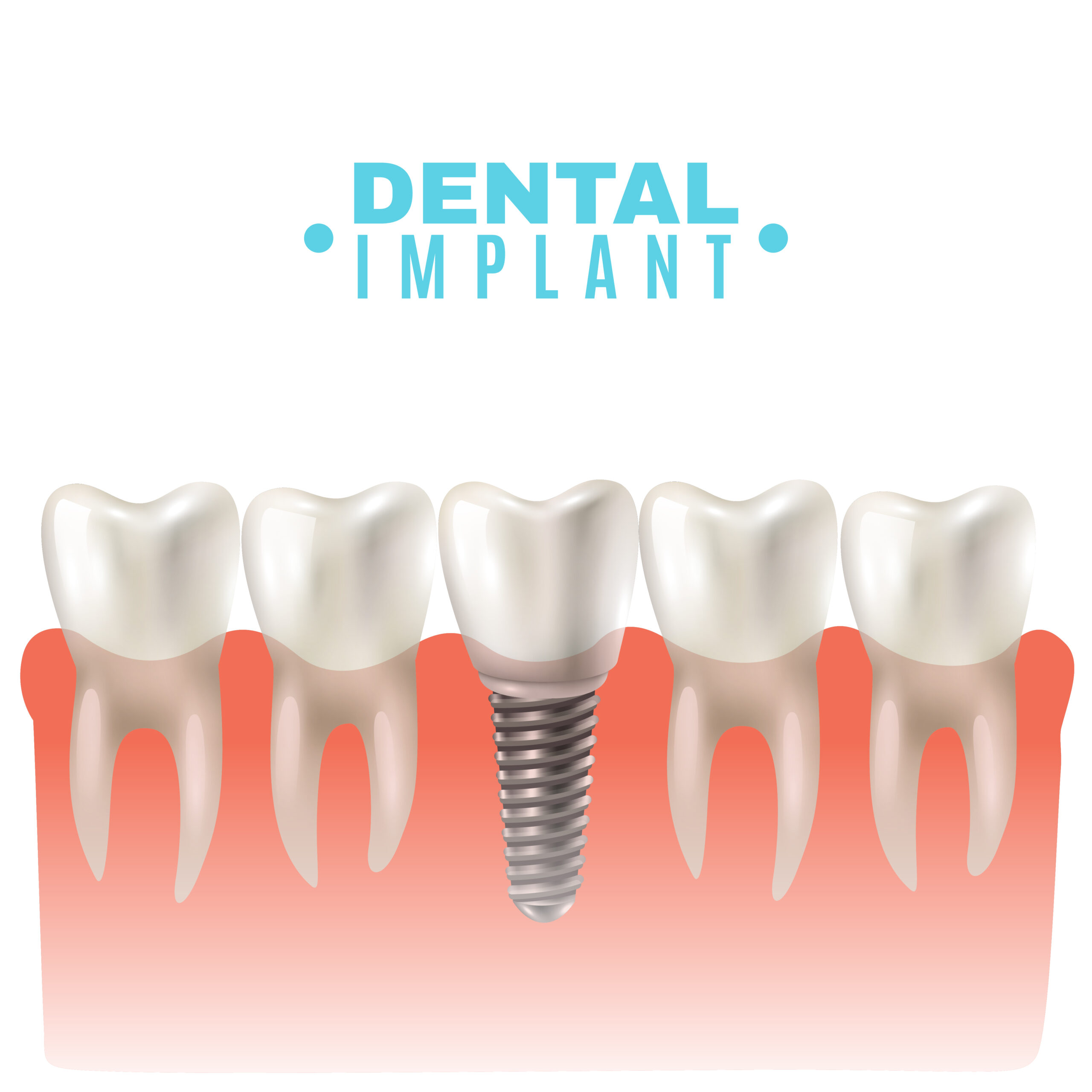
Losing one tooth and losing several teeth can require very different dental implant plans. Most providers explain single vs. multiple dental implants in a standard way, but the recommended approach can vary based on the type of tooth loss, complexity of the case, and overall treatment scope.
At Southpoint Family Dentistry, patients can discuss their specific needs before choosing an implant option. This guide compares common dental implant approaches, explains why treatment plans can differ, and provides a simple checklist for understanding what may be included.
Single vs. Multiple Dental Implants Options in Durham, NC: What Determines the Right Choice?
The main driver is the number and location of missing teeth, along with the condition of the surrounding teeth and supporting bone.
| Type/Option | Key Characteristics | Best Fit For |
|---|
| Single Dental Implant | Replaces one missing tooth with an implant-supported crown | Patients missing one tooth |
| Multiple Individual Implants | Uses separate implants to replace several missing teeth | Patients with multiple missing teeth in different areas |
| Implant-Supported Bridge | Uses implants to support a bridge replacing several adjacent teeth | Patients missing several neighboring teeth |
| Implant-Supported Full-Arch Restoration | Uses strategically placed implants to support a full-arch restoration | Patients with extensive tooth loss |
A simple way to understand it: a single implant is generally designed for an individual missing tooth. Multiple implants or an implant-supported restoration can address broader tooth loss while using a coordinated treatment plan.
Southpoint Family Dentistry’s dental implant service page can help explain when implant treatment may be recommended and why the extent and location of tooth loss matter when determining the right approach.
Why Do Two Dental Implant Quotes in Durham, NC Look Different?
Dental implant treatment is not always scoped as the same type of procedure from one provider to another. Two treatment plans may appear similar at first but include different components or levels of care.
Common differences include:
- Bundling: One provider may group the implant, restoration, and related appointments together, while another may describe each stage separately.
- Complexity tiers: A straightforward single-tooth replacement can involve different planning from treatment involving several missing teeth.
- Follow-up care: Treatment plans may differ in how consultations, healing checks, and restoration appointments are handled.
- Add-ons: Some cases may require additional procedures or preparation before implant placement can move forward.
For this reason, comparing dental implant plans means looking beyond the basic label. The details of the proposed treatment matter just as much as the type of implant.
Dental Implant Types in Durham, NC: What Each Option Involves
Single Dental Implants
A single dental implant replaces one missing tooth with an implant-supported restoration. It can suit patients who have one missing tooth and healthy surrounding structures that can support the treatment.
This is generally the most straightforward option when tooth loss is limited to one area.
Multiple Individual Dental Implants
Multiple individual implants can replace several missing teeth when separate tooth replacement is appropriate. Each implant can support its own restoration, allowing treatment to address missing teeth in different locations.
This approach may suit patients who want individual replacements rather than a connected restoration.
Implant-Supported Bridges
An implant-supported bridge can replace several adjacent missing teeth without requiring an individual implant for every missing tooth. The implants provide support for the bridge while the restoration fills the space created by tooth loss.
This can be considered when several missing teeth are located next to one another.
Implant-Supported Full-Arch Restoration
A full-arch implant restoration is designed for patients with extensive tooth loss or a situation where a complete arch requires replacement. The restoration is supported by strategically positioned dental implants.
It involves broader planning than replacing a single tooth and requires careful evaluation of the patient’s individual case.
The right option should fit the case, not be picked like a menu item. A dental professional can evaluate the condition, location, and extent of tooth loss before recommending an approach.
Dental Implant Checklist: Included vs Extra
| Often Included | Often Extra |
|---|
| Initial dental evaluation | Additional preparatory procedures |
| Treatment planning | Bone-related procedures when needed |
| Implant placement planning | Specialized imaging or diagnostic requirements |
| Restoration planning | Additional restorative or follow-up needs |
One factor that can shift the overall treatment plan is the condition of the supporting structures around the missing tooth or teeth. If additional preparation is needed, the sequence and scope of treatment may change.
Still Looking for the Best Dental Implants in Durham, NC? Contact Southpoint Family Dentistry
Southpoint Family Dentistry provides case-based evaluation for patients considering single or multiple dental implants in Durham, NC. Rather than treating every missing-tooth situation the same way, the focus is on understanding the patient’s needs and developing an appropriate treatment plan.
A simple path to understanding your options is:
Consult → Confirm the scope → Choose the appropriate option → Get the plan in writing
If you are considering dental implants and want to understand whether a single implant, multiple implants, an implant-supported bridge, or another approach may fit your needs, contact Southpoint Family Dentistry.
Call Southpoint Family Dentistry at +1 (919)-682-9707 to discuss your dental implant needs.
Best Dentist in Durham, NC | Southpoint Family Dentistry