Why Do You Grind Your Teeth at Night? Causes and Solutions
Many providers describe bruxism treatment in a standard way, but the right approach can vary based on the type of grinding, its severity, and the symptoms it causes. Some people grind their teeth while sleeping, while others clench their jaw during the day.
At Southpoint Family Dentistry, patients can receive an evaluation based on their individual symptoms and oral health needs. This guide compares common approaches to bruxism and provides a simple checklist of what may be included in care.
Bruxism Options in Durham: What Determines the Right Choice?
The right approach depends on how often you grind or clench, whether your teeth are showing damage, and whether you have jaw or facial discomfort.
Type/Option
Key Characteristics
Best Fit For
Bruxism Evaluation
Examines teeth, jaw, bite, and symptoms
Patients with suspected grinding
Night Guard
Creates a protective barrier between the teeth
Patients who grind mainly during sleep
Bite and Jaw Assessment
Looks for signs of pressure, wear, or bite-related concerns
Patients with jaw discomfort or tooth wear
Restorative Care
Addresses teeth affected by significant grinding
Patients with damaged or worn teeth
Ongoing Monitoring
Tracks changes and treatment needs over time
Patients with recurring or persistent bruxism
A simple way to understand it: basic care focuses on identifying and controlling the effects of grinding.
More involved care may be needed when bruxism has caused noticeable tooth wear, sensitivity, or jaw-related symptoms.
Why Do Two Bruxism Treatment Plans in Durham Look Different?
Dental providers do not always scope the same unit of care when evaluating bruxism. One patient may only need protection from nighttime grinding, while another may need additional evaluation because of tooth damage or jaw symptoms.
Common differences include:
Bundling: An evaluation, examination, and follow-up may be handled as one care plan or separate steps.
Complexity: Mild grinding may require a simpler approach than persistent grinding with visible tooth wear.
Follow-up: Some patients may need monitoring to see whether symptoms or grinding patterns change.
Add-ons: Additional dental care may be recommended when grinding has contributed to damaged or sensitive teeth.
This is why comparing treatment plans based only on the name of the service can be misleading. The details of the patient’s condition should guide the recommended approach.
Bruxism Types in Durham: What Each Option Involves
Bruxism Evaluation
A bruxism evaluation looks for signs that you may be grinding or clenching your teeth. Your dentist may examine tooth wear, jaw movement, bite patterns, and other symptoms.
This is generally the starting point for patients who are unsure why they wake up with jaw discomfort or notice changes in their teeth.
Night Guard
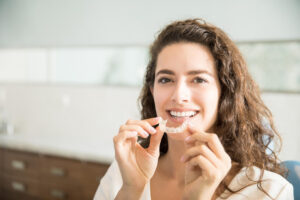
A night guard is designed to help protect the teeth from direct contact caused by nighttime grinding. It can be particularly useful for patients whose bruxism happens mainly while sleeping.
The dentist can determine whether this type of protection is appropriate based on your teeth, bite, and symptoms.
Bite and Jaw Assessment
Grinding can place repeated pressure on the jaw and surrounding muscles. A bite and jaw assessment helps identify signs that clenching or grinding may be contributing to discomfort.
This option can suit patients who experience jaw tension, facial discomfort, or other symptoms alongside teeth grinding.
Restorative Care
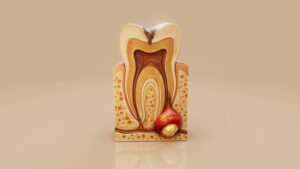
Persistent bruxism can contribute to worn, chipped, or damaged teeth. When this happens, restorative dental care may be considered to address the affected teeth.
The appropriate treatment depends on the condition of the tooth and the extent of the damage. The option should fit the case, not be picked like a menu item.
Bruxism Checklist: Included vs Extra
Often Included
Often Extra
Dental examination
Additional restorative treatment
Review of grinding symptoms
Treatment for damaged teeth
Evaluation of tooth wear
Additional follow-up when needed
Assessment of jaw and bite
Other dental procedures based on findings
One important factor that can shift the overall plan is the amount of tooth wear caused by grinding. If bruxism has already affected the teeth, simply protecting them may not address every dental concern, so your dentist may recommend additional care.
Southpoint Family Dentistry’s bruxism page explains when bruxism treatment is recommended and why an individualized evaluation matters. This can help patients understand why treatment recommendations differ from one person to another.
Still Looking for the Best Bruxism Treatment in Durham? Contact Southpoint Family Dentistry
Southpoint Family Dentistry provides case-based evaluation for patients experiencing teeth grinding, jaw discomfort, tooth wear, or related concerns. Rather than choosing a treatment based only on a general description, the dental team can assess your symptoms and determine an appropriate direction for care.
A simple path is:
Consult → Confirm the scope → Choose the appropriate option → Get the plan in writing
If you are experiencing nighttime teeth grinding or are concerned about its effect on your teeth, contact Southpoint Family Dentistry at +1 (919)-682-9707.
Southpoint Family Dentistry 1208 Riddle Rd, Durham, NC 27713 Best Dental Office in Durham | Southpoint Family Dentistry
FAQs About Bruxism
1. What is bruxism?
Bruxism is the repeated grinding or clenching of your teeth. It can happen during sleep or while you are awake.
2. Why do I grind my teeth at night?
Nighttime teeth grinding can be linked to stress, sleep-related factors, bite issues, or other underlying causes. A dental evaluation can help identify possible contributing factors.
3. What are common signs of nighttime teeth grinding?
Common signs include worn teeth, jaw soreness, tooth sensitivity, headaches, and waking with a tight or tired jaw.
4. Can bruxism damage my teeth?
Yes. Repeated grinding can contribute to tooth wear, chips, cracks, and increased sensitivity over time.
5. Can a night guard help with bruxism?
A night guard can help protect teeth from the pressure and contact associated with nighttime grinding. Your dentist can determine whether it is suitable for your needs.