A root canal is not the same for every patient. The treatment plan can vary based on the type of tooth, level of infection, complexity of the case, and follow-up care needed.
At Southpoint Family Dentistry, patients can receive a case-based evaluation to determine whether a root canal is appropriate. The practice focuses on understanding the condition of the tooth before recommending treatment.
If you are searching for Root Canals in Durham NC, this guide explains the main treatment considerations, why root canal recommendations can differ, and what to ask before starting care. The comparison table and checklist can help you understand what may be included.
Root Canal Options in Durham: What Determines the Right Choice?
The right root canal approach depends mainly on the condition of the affected tooth and the complexity of treatment.
| Type/Option | Key Characteristics | Best Fit For |
|---|
| Standard Root Canal | Removes infected or damaged pulp and cleans the inside of the tooth | Teeth with treatable pulp infection |
| Complex Root Canal | May require additional care because of tooth structure, infection, or anatomy | More difficult or complicated cases |
| Root Canal Retreatment | Treatment is performed again when a previous root canal has not resolved the problem | Previously treated teeth with continuing concerns |
| Root Canal with Restoration | Root canal care is followed by restorative treatment to protect the tooth | Teeth that need additional structural support |
A simple way to understand it is this: basic cases may need standard root canal treatment, while more complex cases can require additional steps.
The treatment should always be based on the condition of the tooth rather than simply choosing an option from a list.
Why Do Two Root Canal Quotes in Durham Look Different?
Dental providers may not always scope the same root canal treatment in the same way. One treatment plan may include services that another provider discusses separately.
Common differences include:
- Bundling: Some providers may combine parts of the treatment and restoration process, while others may separate them.
- Complexity: A straightforward tooth may require a different approach from a tooth with unusual anatomy or extensive infection.
- Follow-up: Some treatment plans may include follow-up examinations as part of the overall care process.
- Add-ons: Additional imaging, restoration, or specialist care may be recommended depending on the tooth.
This is why comparing only the quoted treatment name may not give you a complete picture. It is better to understand what the dentist has found and what the proposed plan includes.
Root Canal Types in Durham: What Each Option Involves
Standard Root Canal
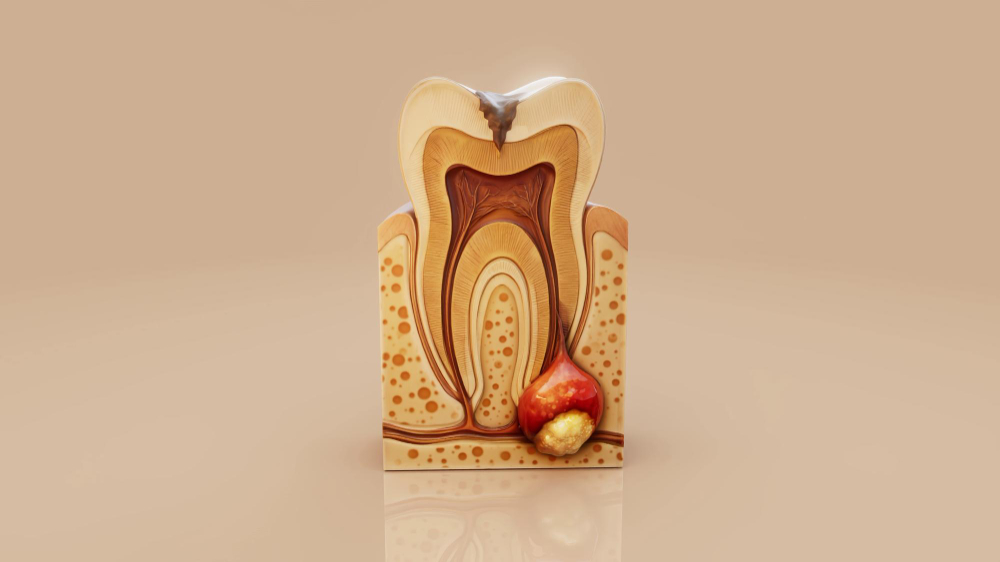
A standard root canal removes infected or damaged pulp from inside the tooth. The canals are cleaned, treated, and sealed to help preserve the natural tooth.
This option may suit patients with a tooth that has pulp damage or infection that can be treated without more complex procedures.
Complex Root Canal
Some teeth are more difficult to treat because of their shape, position, previous dental work, or the extent of the problem. These cases may require additional planning and clinical care.
A complex root canal is generally considered when the tooth needs more involved treatment than a routine case.
Root Canal Retreatment
A previously treated tooth may sometimes need additional treatment if symptoms continue or another problem develops. Retreatment involves evaluating the existing root canal and determining whether further care is appropriate.
The dentist needs to examine the tooth carefully before deciding whether retreatment is the right approach.
Root Canal with Restoration
After a root canal, the tooth may need restorative treatment to help protect its remaining structure. The appropriate restoration depends on the tooth and how much natural structure remains.
The goal is to create a treatment plan that addresses both the infection and the long-term function of the tooth.
The right option should fit the case, not be picked like a menu item.
Root Canal Checklist: Included vs Extra
| Often Included | Often Extra |
|---|
| Dental examination | Additional diagnostic imaging |
| Evaluation of the affected tooth | Specialist referral when needed |
| Cleaning and treatment of the root canals | Additional restorative treatment |
| Sealing the treated canals | Follow-up care beyond the planned treatment |
The condition of the tooth can shift the overall treatment plan. For example, a tooth with significant structural damage may need restorative care after the root canal, while another tooth may require a simpler treatment path.
Southpoint Family Dentistry’s Root Canals page explains when root canal treatment is recommended and why case complexity and proper evaluation matter. Understanding these factors can help you make a more informed decision about your dental care.
Still Looking for the Best Root Canals in Durham? Contact Southpoint Family Dentistry
Southpoint Family Dentistry provides case-based evaluation for patients who may need root canal treatment in Durham. The focus is on examining the tooth and developing a treatment plan based on the patient’s specific needs.
A simple path to treatment can include:
- Consult: Discuss your symptoms and dental concerns.
- Confirm scope: Examine the tooth and determine what treatment is needed.
- Choose the option: Select the appropriate treatment based on the condition of the tooth.
- Get the plan in writing: Understand the recommended treatment and next steps before proceeding.
If you are looking for the Best Dental Office in Durham for root canal evaluation, contact Southpoint Family Dentistry at +1 (919)-682-9707.
Southpoint Family Dentistry
1208 Riddle Rd, Durham, NC 27713
Best Dental Office in Durham | Southpoint Family Dentistry