Best Dentures in Durham, NC | Southpoint Family Dentistry
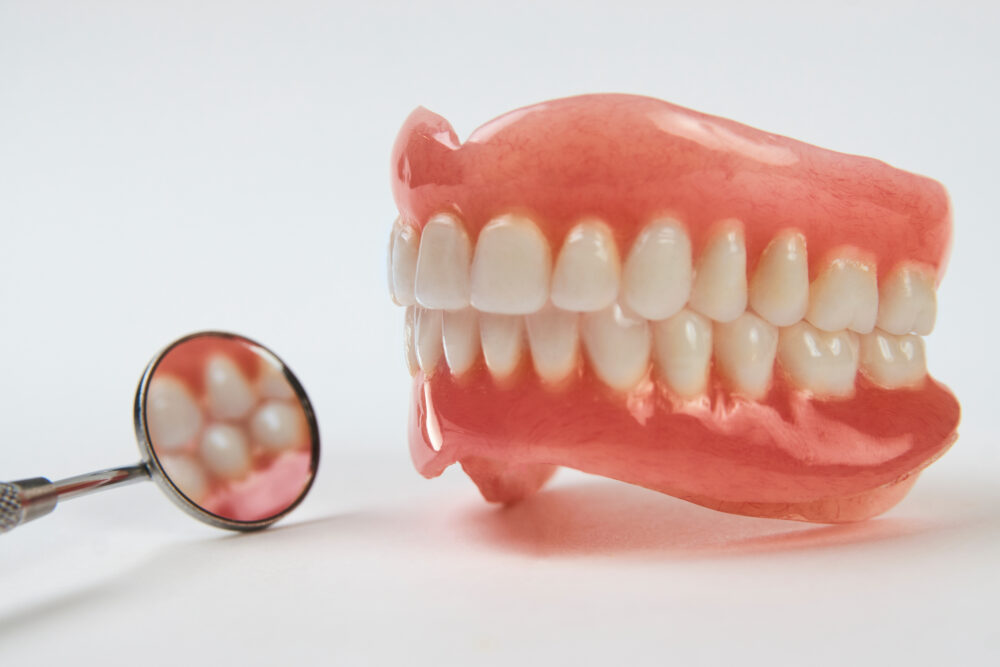
Choosing dentures involves more than selecting a replacement for missing teeth. The right solution depends on the number of missing teeth, the condition of the gums and remaining teeth, and the level of support needed for comfortable everyday use.
Southpoint Family Dentistry provides dental care in Durham, North Carolina, with treatment recommendations based on individual oral health needs. This guide compares common denture options, explains why treatment plans differ, and provides a checklist to help you understand what to discuss with your dentist.
Denture Options in Durham: What Determines the Right Choice?
The right denture depends on the extent of tooth loss, oral health, stability requirements, and whether any natural teeth can be preserved.
Type or Option | Key Characteristics | Best Fit For |
Full dentures | Replace all teeth in the upper or lower arch | Patients who have lost all teeth in an arch |
Partial dentures | Replace selected missing teeth while retaining suitable natural teeth | Patients who still have healthy, usable natural teeth |
Immediate dentures | Prepared before tooth extraction and placed around the time of removal | Patients who need tooth replacement during the healing period |
Implant supported dentures | Use dental implants to provide additional support and stability | Suitable patients seeking improved denture retention |
A simple way to understand the options is that conventional full and partial dentures address different patterns of tooth loss, while immediate and implant supported dentures involve different approaches to placement or support.
The most appropriate choice depends on a clinical assessment rather than appearance or convenience alone.
Why Do Two Denture Quotes in Durham Look Different?
Dental providers may recommend different treatment plans because they do not always include the same services or address the same clinical needs. Comparing the full scope of treatment is more useful than comparing the names of the dentures alone.
Common differences include:
- Treatment bundling: One plan may include consultations, impressions, fittings, and adjustments, while another may list some services separately.
- Case complexity: Extensive tooth loss, gum conditions, existing dental problems, and the need for extractions can affect the treatment process.
- Follow up care: Dentures may require adjustments after placement as the mouth adapts and the fit changes.
- Additional procedures: Extractions, preparatory dental treatment, implant placement, or other restorative services may be needed depending on the patient’s condition.
Ask each provider to explain which services are included, which are separate, and what circumstances could change the treatment plan.
Denture Types in Durham: What Each Option Involves
Full Dentures
Full dentures replace all teeth in the upper or lower arch. They are suitable for patients who have lost all teeth in the affected arch, with the design and fit determined by the condition of the supporting tissues.
They represent a conventional replacement option, although some patients may need additional treatment to improve comfort, fit, or retention.
Partial Dentures
Partial dentures replace several missing teeth while using the remaining natural teeth for support where appropriate. They may be suitable for patients whose remaining teeth are healthy enough to help retain the appliance.
The design depends on tooth position, gum health, bite alignment, and the stability required for daily activities.
Immediate Dentures
Immediate dentures are prepared before planned tooth extractions and inserted around the time the teeth are removed. They can help patients avoid a period without replacement teeth during healing.
However, the gums and underlying tissues change as healing progresses, so adjustments, relining, or a replacement denture may eventually be necessary.
Implant Supported Dentures
Implant supported dentures use dental implants to improve retention and stability. Depending on the design, the denture may be removable or fixed in place.
This option requires an assessment of bone availability, gum health, medical considerations, and suitability for implant surgery. It may involve more extensive treatment than conventional dentures.
The option should fit the clinical case, not be selected like a menu item. Your dentist can explain which approaches are suitable and what limitations each one may have.
Denture Checklist: Included vs Extra
Before proceeding, ask for a clear explanation of what the proposed denture treatment covers.
Often Included | Often Extra |
Initial dental consultation and assessment | Tooth extractions when required |
Impressions or digital measurements, depending on the practice | Additional restorative procedures |
Denture design and fabrication | Implant placement and related treatment |
Initial fitting and placement | Relining, repairs, or replacement when not covered |
The final treatment plan can change when a patient needs extractions or when the shape of the gums changes during healing. These factors can influence the number of appointments, the timing of the final denture, and the need for future adjustments.
Southpoint Family Dentistry’s denture service page can help explain when denture treatment is recommended and why fit, stability, and oral health matter when choosing an appropriate solution. Discuss these factors with the dental team to understand which services apply to your situation.
Still Looking for the Best Dentures in Durham? Contact Southpoint Family Dentistry
Southpoint Family Dentistry offers dental care for patients in Durham, North Carolina. A case based evaluation helps determine whether full dentures, partial dentures, immediate dentures, or implant supported dentures may be appropriate for your needs.
A clear treatment process can help you understand your options before making a decision.
Your path to denture treatment:
- Consult: Schedule an appointment to discuss missing teeth, oral health, and your concerns.
- Confirm scope: Review the examination findings and identify any additional treatment that may be necessary.
- Choose an option: Discuss suitable denture designs, expected stability, maintenance, and limitations.
- Get the plan in writing: Confirm the proposed treatment, included services, follow up appointments, and any additional procedures.
For guidance on dentures in Durham, contact Southpoint Family Dentistry to discuss your dental needs and arrange an evaluation.
Southpoint Family Dentistry
Address: 1208 Riddle Road, Durham, NC 27713
Phone: +1 (919) 682 9707
Choosing dentures begins with understanding your oral health and the available treatment options. A professional assessment can help you select a solution that supports comfortable daily function and long term oral health.
Frequently Asked Questions
-
1. What types of dentures are available in Durham, NC?
Common denture options include full dentures, partial dentures, immediate dentures, and implant supported dentures. The right option depends on the number of missing teeth, gum health, and individual treatment needs.
-
2. How do I know whether I need full or partial dentures?
Full dentures replace all teeth in an upper or lower arch, while partial dentures replace selected missing teeth when suitable natural teeth remain. A dental examination helps determine which option is appropriate.
-
3. How long does it take to get dentures?
The treatment timeline depends on the type of denture, the condition of your mouth, and whether extractions or other procedures are needed. Your dentist can explain the expected timeline after an examination.
Book Appointment
Recent Posts