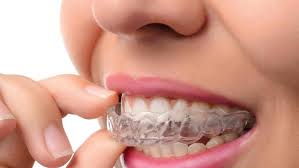
Most providers describe Invisalign in a standard way, but the treatment plan can vary based on the type of correction needed, case complexity, and the overall scope of treatment. The right approach depends on your teeth, bite, goals, and the level of movement required.
At Southpoint Family Dentistry, patients can explore Invisalign options based on their individual dental needs. The practice serves patients looking for Invisalign in Durham and provides guidance to help them understand what treatment may involve. This post covers a comparison table and a simple checklist of what may be included or considered extra. The Southpoint Family Dentistry Invisalign page explains when Invisalign is recommended and why case complexity matters.
Invisalign Options in Durham: What Determines the Right Choice?
The right Invisalign approach depends mainly on the amount and type of tooth movement required.
| Type / Option | Key Characteristics | Best Fit For |
|---|
| Limited Invisalign Treatment | Focuses on minor tooth movement and specific areas | Small spacing or alignment concerns |
| Moderate Invisalign Treatment | Addresses several alignment concerns across the smile | Patients with more noticeable crowding or spacing |
| Comprehensive Invisalign Treatment | Designed for more complex alignment and bite concerns | Patients needing broader tooth movement |
| Refinement Treatment | Additional aligners may be used to improve results after the initial phase | Patients who need further adjustments |
A simple way to understand the options is that limited treatment focuses on smaller corrections, while comprehensive treatment is intended for more involved cases. Your dentist can determine which approach is appropriate after evaluating your teeth and bite.
Why Do Two Invisalign Quotes in Durham Look Different?
Providers may not always define the same scope of Invisalign treatment in the same way. One treatment plan may include services that another provider lists separately.
Common differences can include:
- Treatment scope: Some plans focus on limited corrections, while others address broader alignment or bite concerns.
- Complexity level: More complicated tooth movement may require a more comprehensive treatment approach.
- Follow-up care: The amount of monitoring and follow-up can vary depending on the treatment plan.
- Additional services: Refinements, retainers, scans, or other related services may be included or treated separately.
Because of these differences, it is useful to understand exactly what your Invisalign plan includes before starting treatment.
Invisalign Types in Durham: What Each Option Involves
Limited Invisalign Treatment
Limited Invisalign treatment is designed for smaller alignment concerns. It may suit patients who have minor spacing or crowding that does not require extensive tooth movement.
This can be a basic treatment option when the dental correction is focused and straightforward.
Moderate Invisalign Treatment
Moderate treatment can address several alignment concerns at the same time. It may be suitable when teeth require more movement than a limited treatment plan can provide.
This can be a mid-range treatment approach for patients with more noticeable alignment concerns.
Comprehensive Invisalign Treatment
Comprehensive Invisalign treatment is intended for cases that require broader tooth movement. It may be considered when crowding, spacing, bite concerns, or other alignment issues are more complex.
This is generally a more extensive treatment approach because the overall case requires greater planning and monitoring.
Refinement Treatment
Refinement involves additional aligners when further adjustments are needed during the treatment process. The need for refinement depends on how the teeth respond and how closely the final result matches the treatment goals.
The option should fit the case, not be picked like a menu item.
Invisalign Checklist: Included vs Extra
| Often Included | Often Extra |
|---|
| Initial dental evaluation | Additional refinement aligners |
| Treatment planning | Replacement aligners |
| Digital scans or impressions | Retainers after treatment |
| Routine treatment monitoring | Other dental treatments needed before or during Invisalign |
The overall treatment plan can shift when additional dental needs are identified. For example, existing dental concerns may need to be addressed before Invisalign can begin, so it is important to discuss the complete treatment scope with your dental provider.
Still Looking for the Best Invisalign in Durham? Contact Southpoint Family Dentistry
Southpoint Family Dentistry provides case-based evaluation for patients considering Invisalign in Durham. Rather than choosing an option based only on a general description, patients can discuss their alignment concerns and understand which treatment approach may be appropriate.
A simple path to getting started is:
- Consult: Discuss your smile, alignment, and treatment goals.
- Confirm scope: Understand the type and complexity of correction required.
- Choose an option: Select the Invisalign approach that fits your dental needs.
- Get the plan in writing: Review what is included and what may be considered additional.
For Invisalign in Durham, contact Southpoint Family Dentistry at +1 (919)-682-9707.
Best Dental Office in Durham | Southpoint Family Dentistry
1208 Riddle Rd, Durham, NC 27713